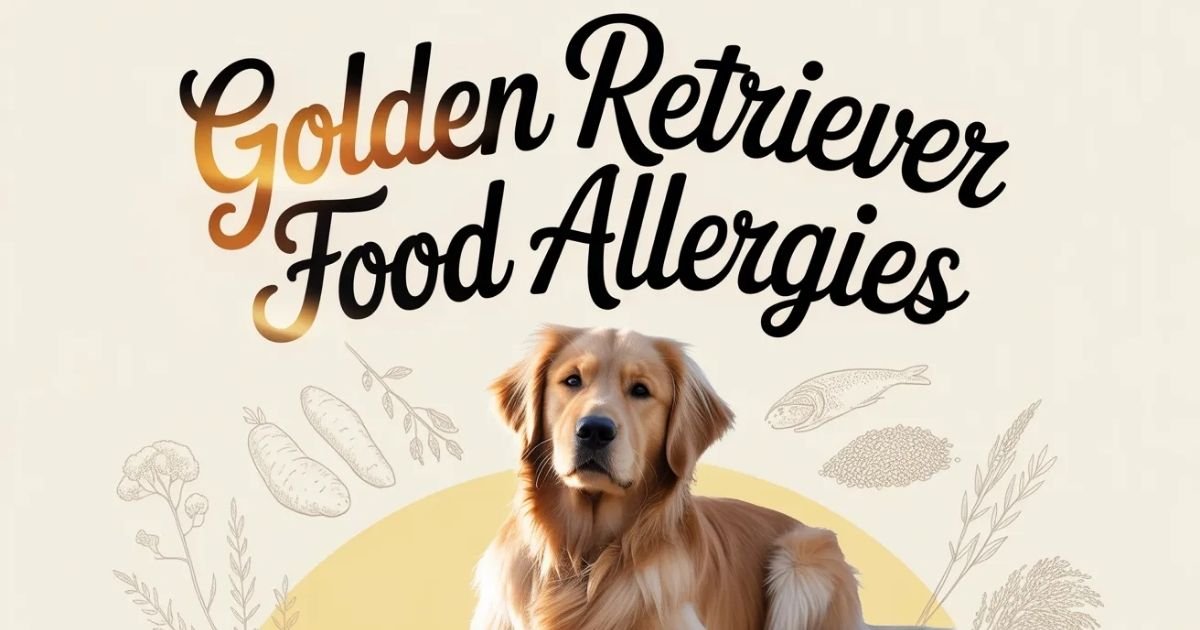
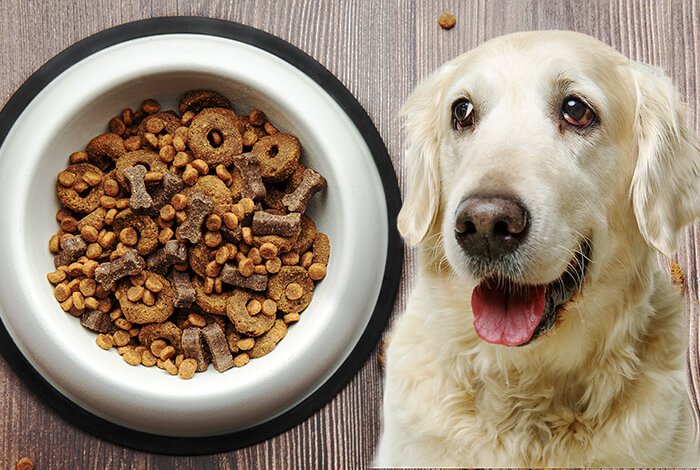
Golden Retrievers are renowned for their sociable personality and intelligence, as well as their energetic nature. They are among the most sought-after breeds for family dogs due to their loyalty and affection. They are also highly trained. To ensure that your Golden Retriever stays fit and active, selecting the correct food is crucial.
Golden Retrievers have their own unique nutrition requirements at various stages of life. Growing puppies require food that promotes the development of bones, brain development, and immune systems, and adult dogs require healthy nutrition to manage weight and muscle maintenance as well as joint health.
If you’re looking for the best dog food that is suitable for Golden Retriever puppies and adults, this guide will cover everything you need to know about ingredients to stay clear of, food schedules, and the best way to pick the best food for your pet.
Why Golden Retrievers Need Specialized Nutrition
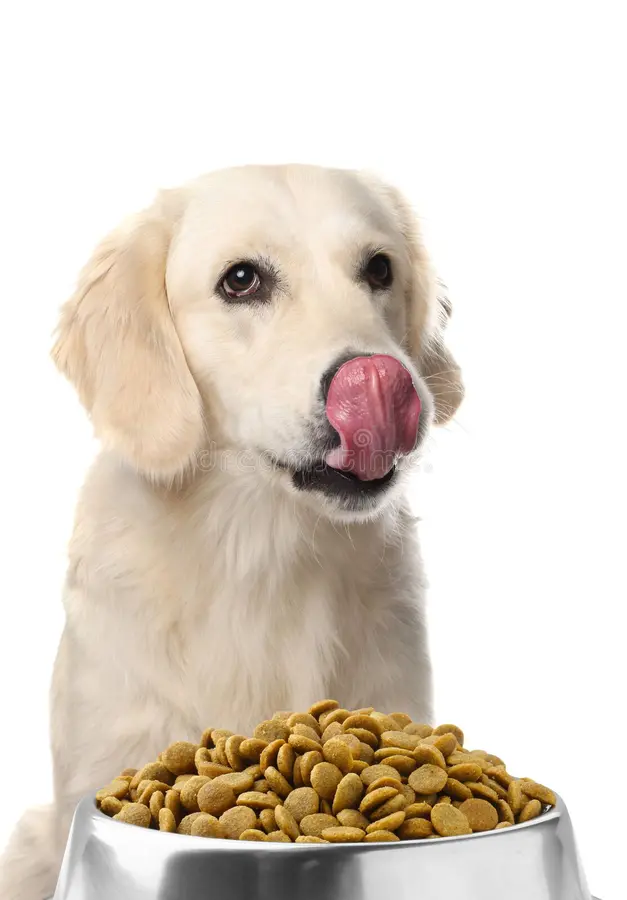
Golden Retriever dogs are medium- to large-breed dogs that have high levels of energy. They are also susceptible to health problems like the following:
- Hip dysplasia
- Obesity
- Joint issues
- Skin allergies
- Heart diseases
- Digestive sensitivities
A healthy diet can reduce the risks and enhance the overall quality of your dog’s life.
Nutritional Needs of Golden Retriever Puppies
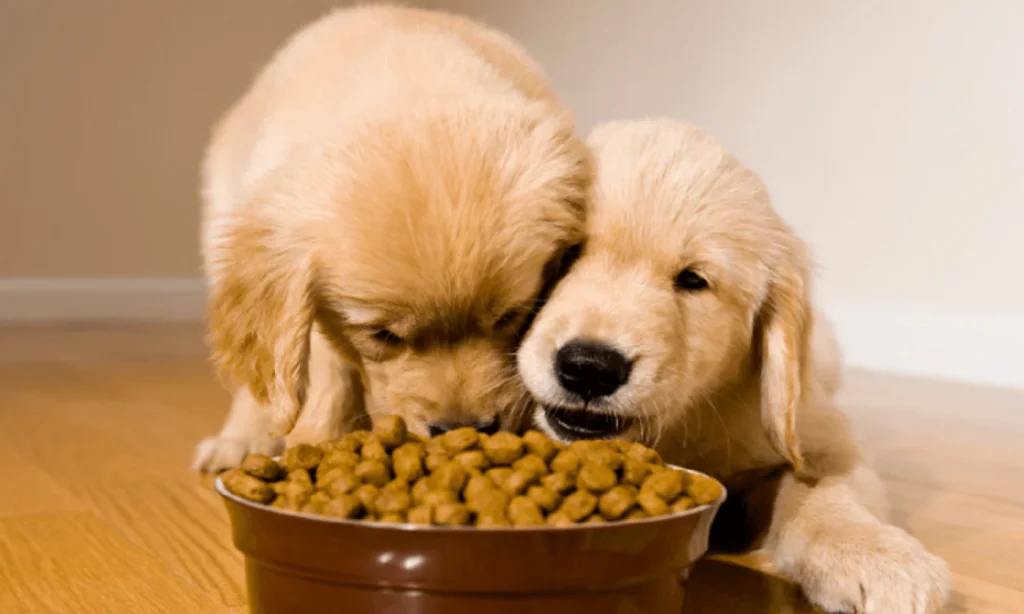
Golden Retriever puppies grow rapidly throughout their first year. They require food with rich nutrients.
Important Nutrients for Puppies
High-Quality Protein
Aids in the development of muscles and increases their size.
DHA
Aids in the development of vision and brain.
Calcium and Phosphorus
Provides support for strong bones and teeth.
Healthy Fats
Give energy to active pups.
Antioxidants
Boost immune health.
Best Food Options for Golden Retriever Puppies
1. Puppy-Specific Large Breed Formula
Food for large-breed puppies can help to control the speed of growth and aids in joint development.
Check for:
- Lamb, chicken or even fish are the primary ingredient
- DHA
- Calcium levels are balanced
- No artificial preservatives
2. Grain-Free Puppy Food (If Recommended by Vet)
Certain puppies suffering from allergies could be able to benefit from grain-free diets.
3. Wet Food for Puppies
It is a great option for fussy eaters or puppies that are transitioning to milk.
Puppy Feeding Schedule
| Age | Meals Per Day |
| 8-12 weeks | 4 meals |
| 3 to 6 months | 3 meals |
| 6-12 months | 2 meals |
Nutritional Needs of Adult Golden Retrievers
Adult golden retriever dogs require food that maintains the ideal energy levels and body weight.
Important Nutrients for Adults
Lean Protein
Supports muscle maintenance.
Omega-3 Fatty Acids
Helps maintain healthy skin and coat.
Glucosamine & Chondroitin
Supports joints.
Fiber
Improves digestion.
Controlled Calories
Helps prevent weight gain.
Best Food Options for Adult Golden Retrievers
Dry Dog Food
Dry kibble is a great way to maintain dental health and can be cheaper.
Wet Dog Food
Ideal for those who are picky eaters or dogs that require extra water.
Fresh Dog Food
Fresh meals are able to provide premium ingredients with fewer preservatives.
Limited Ingredient Diets
This is helpful for dogs with food sensitivities.
Ingredients to Look For
When selecting dog food, prioritize:
- Real meat as the main ingredient
- Whole grains and healthy carbs
- Omega-3 and Omega-6 fat acids
- Minerals and vitamins
- Natural preservatives
- Probiotics
Ingredients to Avoid
Beware of foods that contain:
- Artificial colors
- Fillers that are too full
- Meat by-products
- Excessive corn
- Too much salt
- Preservatives that harm the environment
Homemade vs Commercial Dog Food
| Type | Pros | Cons |
| Homemade | Full ingredient control | Time-consuming |
| Commercial | Convenient | Quality can vary |
Talk to your veterinarian prior to switching diets.
Common Feeding Mistakes
Many pet owners overfeed their pets.
Common errors are:
- Too many sweets
- Scraps of the feeding table
- Sudden food changes
- Do not ignore allergies
- Overfeeding puppies
Signs Your Dog’s Food Isn’t Working
Be on the lookout for:
- Weight loss
- Digestive issues
- Itchy skin
- Energy inefficient
- Dull coat
- Ear infections that are frequent
How to Transition to New Dog Food
Alternate gradually over 7 to 10 days:
Days 1-3:
75% old food, 25% new food
Days 4-6:
50% of old food items 50% new food
Days 7-10:
25% of old food items 75% fresh food
Then completely switch.
Why Quality Dog Food Matters
Premium nutrition helps the following:
- Enhance the longevity
- Support joint health
- Maintain healthy weight
- Improve digestion
- Boost immunity
- Increase the health of your coat
Frequently Asked Questions
What is the most nutritious food to feed Golden Retriever puppies?
Puppy formulas for large breeds are generally perfect.
How often do adult Golden Retrievers consume food?
The majority of adults eat two meals a day.
Can Golden Retrievers be fed grain-free foods?
Only when recommended by your doctor.
What kinds of foods should Golden Retrievers stay clear of?
Grapes, chocolate, onions, excessive salt, and harmful human food.
What is the recommended amount for a Golden Retriever to eat daily?
It is based on the weight, age, and level of physical activity.
Does wet food have more value over dry?
Both are useful depending on your dog’s requirements.
Final Thoughts
Selecting the best dog food to feed golden retriever puppies as well as adults is a crucial factor in the long-term health of your dog.
Each Golden Retriever has unique dietary requirements based on the level of activity, age, and medical conditions. Always select high-quality foods and consult with your veterinarian prior to making significant changes to your diet.