

Choosing between a golden Lab and a golden retriever can feel overwhelming, especially when both rank among America’s favorite family dogs. Many people use the term “Golden Lab” to describe a yellow Labrador Retriever, while others assume it is a separate breed. It is not.
In this golden lab vs. golden retriever guide, you will discover real differences that affect daily life, grooming, personality, and long-term commitment. Both dogs belong to the Sporting Group and share strong retrieving instincts. However, their structure, temperament, and maintenance needs vary more than most owners expect.
History and Origin of the Golden Retriever and Golden Lab

The Golden Retriever began in Scotland during the 1800s as a skilled hunting retriever. Nobles wanted reliable upland bird retrievers with a soft mouth and steady focus. Over time, the breed developed its long double coat and gentle expression. The Golden Retriever Club of America now protects breed standards and preserves working ability through field trials and hunt tests.
The Golden Lab, officially called the Labrador Retriever, traces back to Newfoundland. Fishermen relied on strong water dogs to retrieve nets and fish in icy waters. Later refined in England, the Golden Lab became famous as a duck-hunting dog and waterfowl-hunting companion. Both breeds remain classic gun dogs, and their working background still shapes behavior today.
Appearance Differences: How to Tell Them Apart
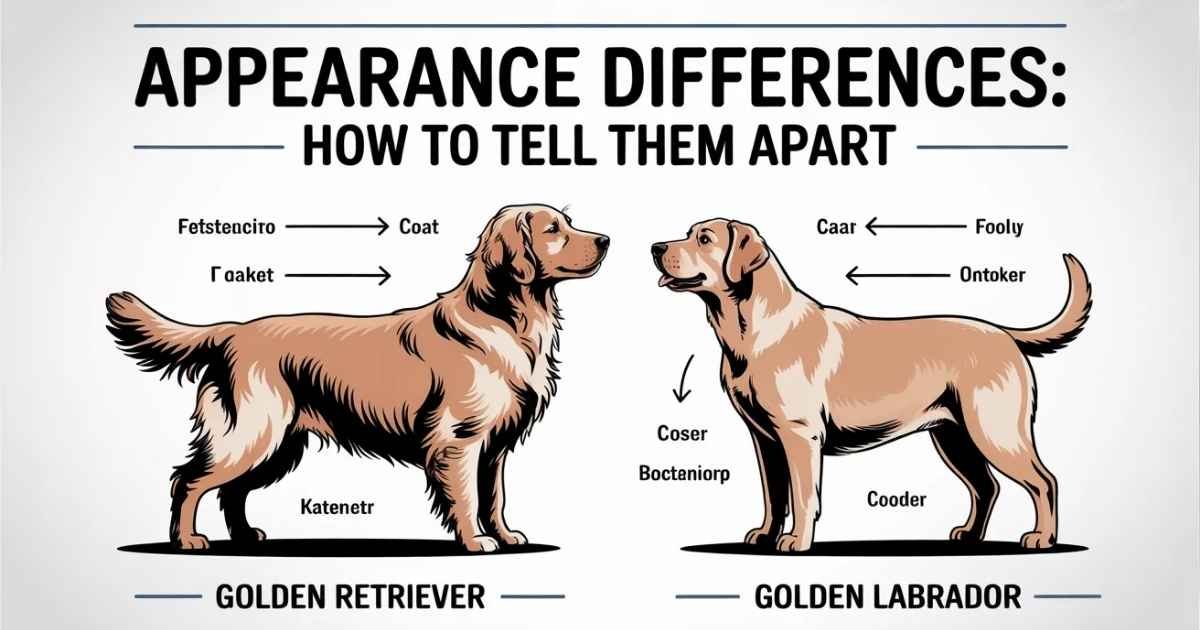
In the golden lab vs. golden retriever comparison, appearance creates early confusion. A yellow Golden Lab puppy can resemble a Golden Retriever at first glance. Yet clear physical differences exist. The Golden Lab has a heavier body with dense bone and a deep chest. Its coat is short, straight, and slightly oily. The tail is thick and powerful.
The Golden Retriever carries a medium to long double coat with feathering on the legs and tail. Golden Retriever females often appear slightly lighter and more elegant compared to males, especially in working bloodlines, which is why many owners researching a female Golden Retriever compare temperament and appearance before choosing a puppy. Its golden-red coat ranges from light cream to deep gold. The face appears softer and more expressive. The table below simplifies the golden lab vs. golden retriever differences.
| Trait | Golden Lab | Golden Retriever |
|---|---|---|
| Height | 21–24 inches | 21–24 inches |
| Weight | 55–80 pounds | 55–75 pounds |
| Coat | Short, dense, low-feathering | Long double coat with feathering |
| Build | Stocky, muscular | Slightly leaner |
| Tail | Thick water tail | Feathered tail |
Coat Colors and Shedding Comparison
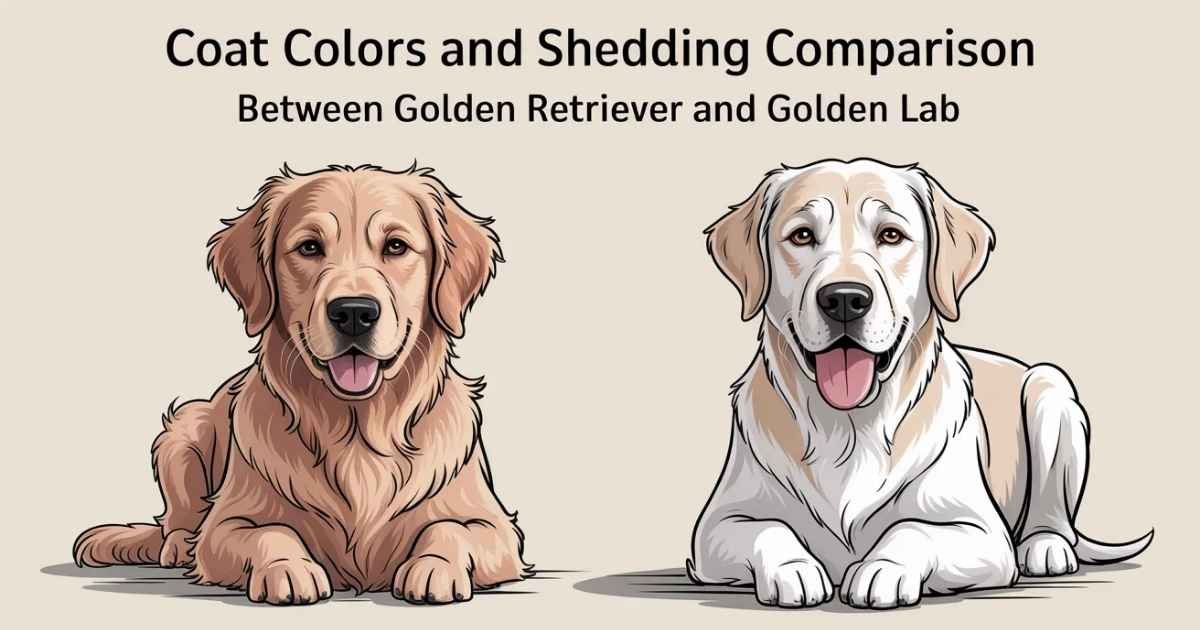
The Golden Lab comes in three official colors: black, yellow, and chocolate. Fox red is simply a darker shade of yellow. Some people think a black Lab is a different breed, but that is incorrect. It remains the same purebred Labrador.
The Golden Retriever only appears in golden shades. The term “English Cream” does not describe a separate breed. It refers to a lighter coat color, and many owners exploring the different types of golden retrievers are often surprised by how coat shades vary between bloodlines. In the golden lab vs. golden retriever debate, shedding surprises many families. Both are heavy shedders year-round. The Golden Retriever’s feathering makes its hair more visible inside the home.
Size and Weight Comparison
Both breeds fall under medium-sized dog breeds. Average height ranges from 21 to 24 inches. Weight usually falls between 55 and 80 pounds, depending on gender and lineage. American Golden Labs often appear taller and leaner. British lines look stockier.
The Golden Retriever looks elegant and flowing. The Golden Lab feels compact and athletic. Neither breed thrives in tight apartments without daily exercise. A fenced yard supports their active lifestyle and reduces boredom.
Temperament and Personality Traits
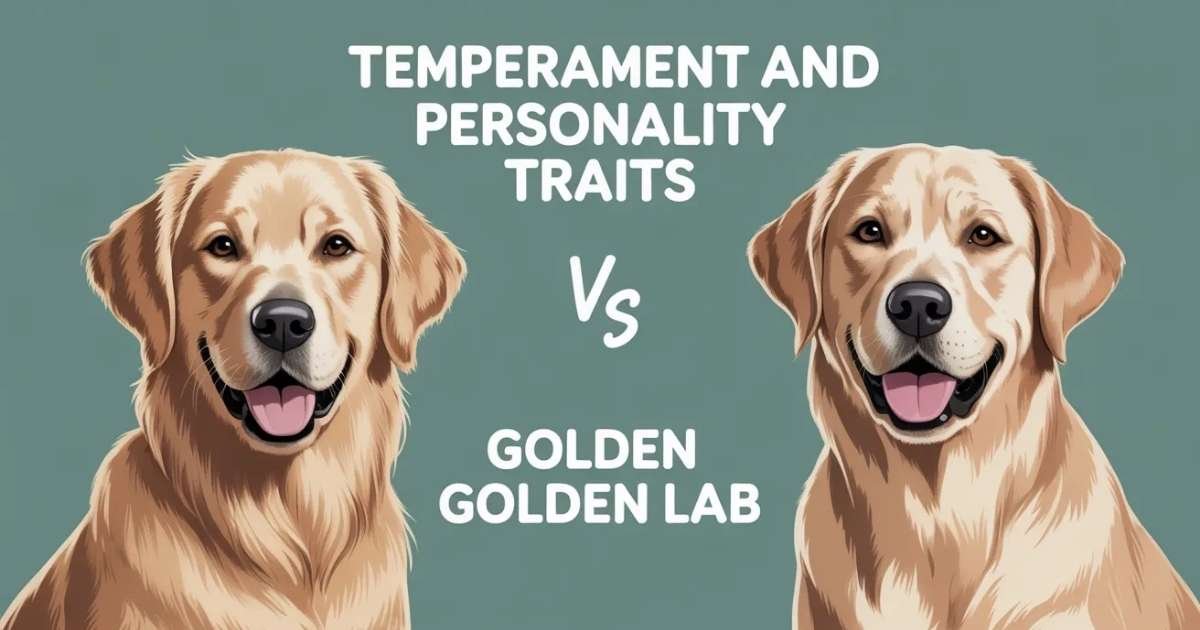
Temperament shapes the golden lab vs. golden retriever choice more than appearance. The Golden Lab shows bold confidence and resilience. Many owners say the Lab “just goes for it.” This energetic personality enjoys adventure and a strong retrieving drive.
The Golden Retriever displays sensitivity and thoughtful behavior. It forms deep emotional bonds and often stays close to its owner. Some describe the golden as clingy in a loving way. These personality differences matter when choosing a family companion.
Intelligence and Trainability
Both breeds rank among the most intelligent dogs. They are highly trainable and eager to please. This explains their success in service dog roles and guide dog programs. Trainers value their focus during blind retrieves and structured tasks.
Still, subtle differences exist in the golden lab vs. golden retriever comparison. The Golden Retriever enjoys repetition and steady routines. The Golden Lab prefers variety and faster-paced training sessions. Without mental stimulation or a clear job, either dog may become destructive if left alone.
Exercise Needs and Energy Levels

These are active working dogs. They require daily physical exercise and structured play. Puppyhood demands early socialization and crate training. Following a structured puppy guide during the first year helps prevent behavioral problems and builds confidence early. Without proper outlets, barking and chewing increase.
A simple walk around the block will not satisfy them. Both excel in hunting events, water retrieval, and field sports. Families must match energy levels to their lifestyle before choosing in the golden lab vs. golden retriever debate.
Health Problems and Lifespan
Average lifespan ranges from 10 to 14 years. Hip and elbow dysplasia affect both breeds. The Orthopedic Foundation for Animals maintains health databases at https://ofa.org.
Golden Retrievers statistically face higher cancer rates. Golden Labs often struggle with obesity if overfed. Always request health clearances from reputable breeders. Routine veterinary care significantly increases longevity.
Compatibility with Families, Kids, and Other Pets
Both breeds consistently rank as the best family dog breed in America. They are good with children and generally friendly with other dogs. Their affectionate nature and overall golden retriever temperament fit busy households, especially when the dogs receive early training and proper socialization.
However, supervision remains important. Even gentle breeds need boundaries and training. Early socialization builds confidence and prevents fear-based reactions. With proper care, both become loyal companion dogs and emotional support partners.
Grooming, Shedding, and Maintenance Costs
In the golden lab vs. golden retriever comparison, grooming differences stand out. The Golden Lab has a shorter coat that requires weekly brushing. Shedding still occurs, but grooming is simpler.
The golden retriever needs more brushing because of its feathering. Professional grooming may cost more each year. Both breeds require quality food, yearly vaccinations, and routine health checks. Before bringing one home, many families also compare golden retriever ownership costs, including breeder pricing, food expenses, grooming, and long-term veterinary care for each breed.
Golden Lab vs Golden Retriever: Final Comparison and Buying Tips
In the golden lab vs. golden retriever debate, no single breed wins for everyone. Golden Labs suit owners who prefer bold, high-energy companions. Golden Retrievers fit families wanting a gentler emotional connection.
Avoid myths. A “Golden Labrador” is not a separate breed. English Cream is only a color variation. Work with breeders who follow AKC standards and provide health certifications. You can verify breeder listings through the official AKC marketplace at https://marketplace.akc.org. When chosen carefully, either breed becomes a loyal, intelligent, and loving family member for years to come.
Frequently Asked Questions (FAQs)
Is a golden lab better than a golden retriever?
Neither is universally better. In the golden lab vs. golden retriever comparison, golden labs suit active families. Golden Retrievers fit homes wanting calm affection.
Which is better, a Golden Lab or a Golden Retriever?
Both are excellent companions. Your daily schedule, grooming tolerance, and activity level determine which feels right.
What is the 5-minute rule for Golden Labs?
The rule suggests five minutes of exercise per month of puppyhood. A four-month-old puppy needs about twenty minutes per session to protect growing joints.
Who is friendlier, a golden lab or a golden retriever?
Both are friendly. Golden Retrievers often show softer affection. Golden Labs display playful enthusiasm.
Do golden Labs bark more than golden retrievers?
Neither breed is excessive. Barking usually results from boredom or lack of exercise. Proper training keeps noise under control.


Pingback: golden lab vs golden retriever - ViralSocialTrends