
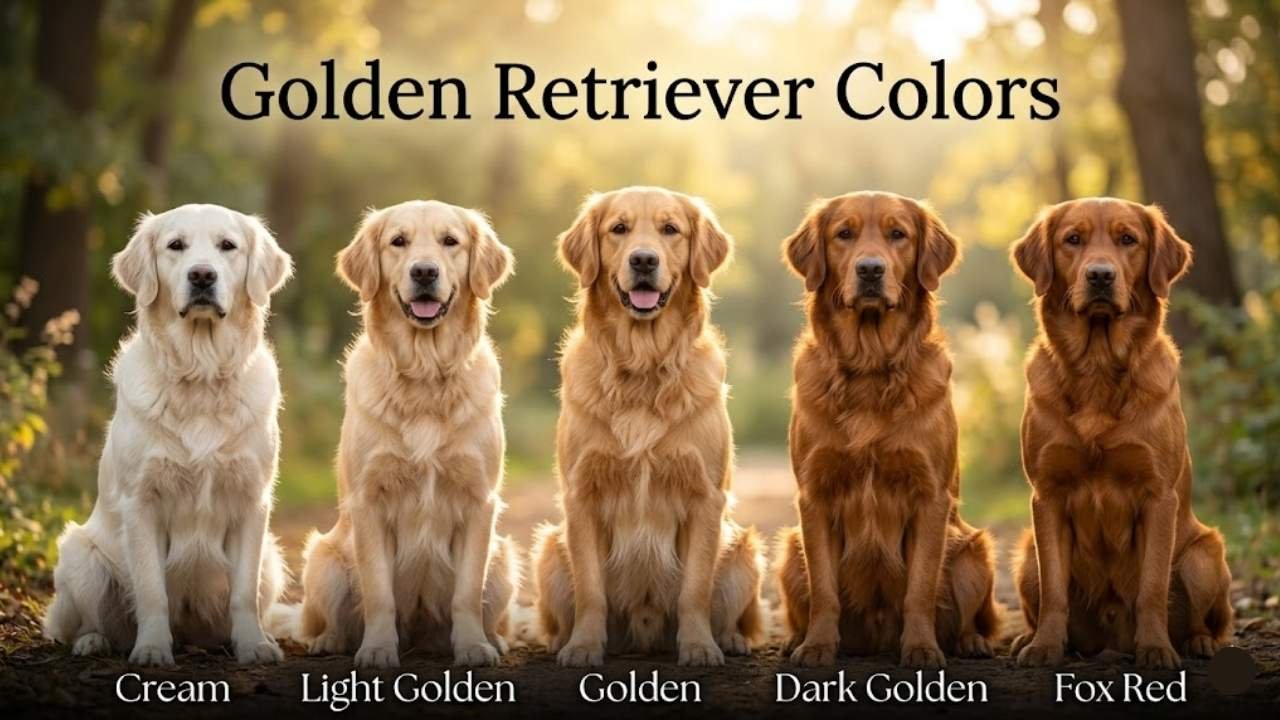
Golden Retrievers’ colors are well-known for their steeply priced golden coats, but many human beings are amazed to find that “golden” is available in several beautiful shades. From light cream to deep crimson, coat shade variation is influenced by genetics, breeding goals, and show necessities. While color is usually aesthetic, it could additionally mirror lineage and breeding priorities.
What Colors Do Golden Retrievers Come In?
Golden Retrievers come in five commonly recognized coat shades: light golden, golden, dark golden, cream, and red (fox red). While the American Kennel Club (AKC) officially recognizes shades of golden, cream, and fox-red, variations remain popular among owners and breeders because of their unique appearance. Regardless of coat shade, all Golden Retrievers belong to the same breed and share the friendly temperament for which they are known.
Golden Retriever Color Chart
| Color | AKC Accepted | Common Name |
|---|---|---|
| Light Golden | Yes | Light Golden |
| Golden | Yes | Classic Golden |
| Dark Golden | Yes | Dark Golden |
| Cream | No | English Cream |
| Red | No | Fox Red |
This chart provides a quick comparison of the most common Golden Retriever coat colors and how they relate to AKC breed standards.
What Are Golden Retriever Colors?
The Coat Color Spectrum Explained
Golden Retrievers show a spectrum of gold-based coat colors as a genetic variant. These vary from very light cream to deep mahogany purple. While all fall in the golden circle of relatives, depth and tone range are determined by modifier genes that have an impact on pigmentation.
Major breed golf equipment, which consists of the American Kennel Club (AKC), encompasses enormous golden solar sun shades, while some lighter or darker variations are taken into consideration non-fashionable for display, even though they are well-known amongst puppy proprietors.
Breed Standard vs. Color Perception
According to the American Kennel Club (AKC) Golden Retriever breed standard, the coat should be a “rich, lustrous golden of various shades.” Extremely faded or overly dark coats may be penalized in conformation competitions.
However, outside the show ring, personal preference performs a huge function, and plenty of families adore lighter cream or deeper purple tones.
Official Golden Retriever Coat Colors
1. Light Golden
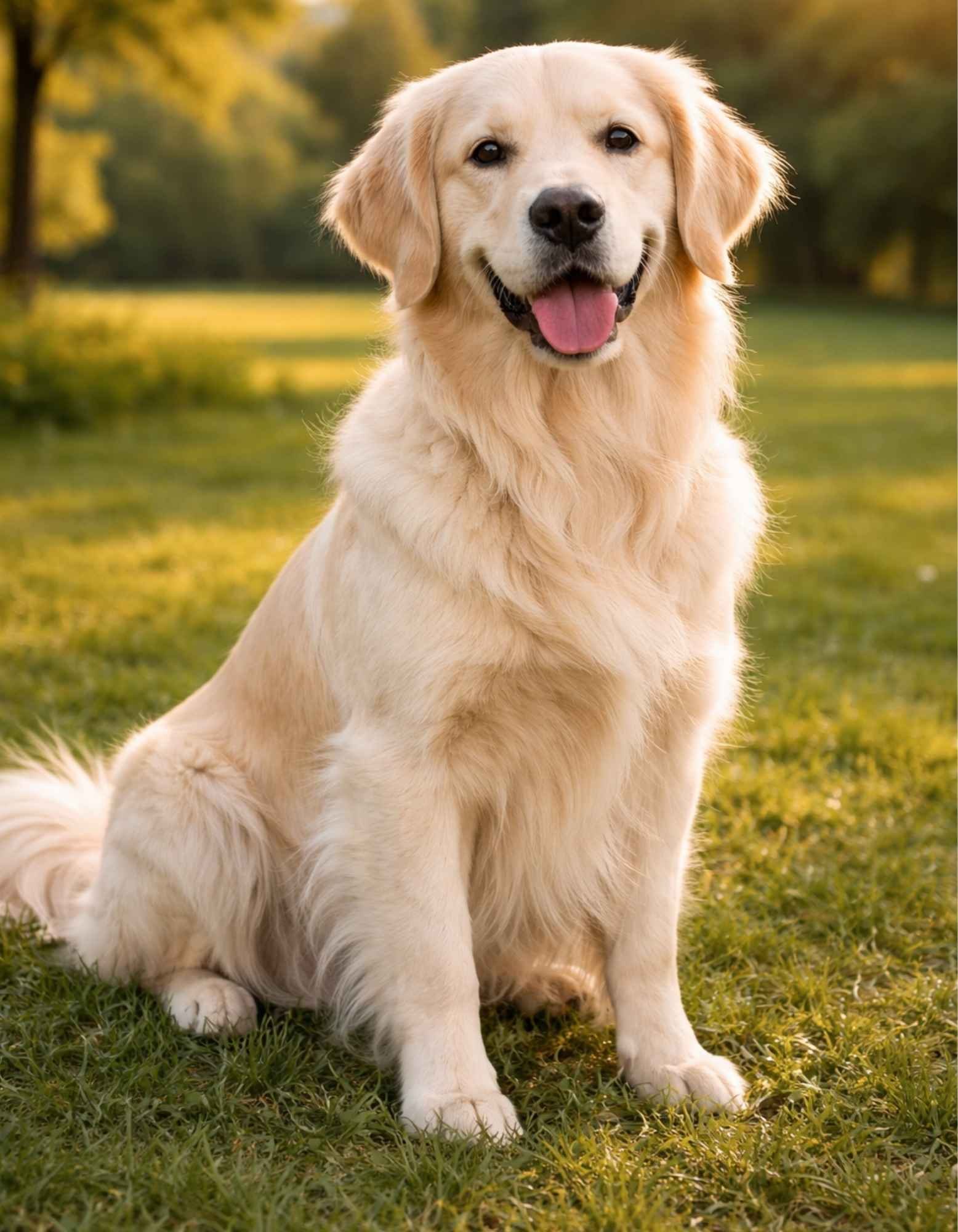
Light Golden Retrievers have an easy, faded gold coat with a diffused warmth tint. They are now and again flawed for cream-colored Goldens but remain inside perfect show requirements if not excessively diminished.
Best for: Families trying a softer, brighter look without going simply cream
2. Golden (Classic)

The conventional golden color is the iconic honey-gold most humans associate with a golden retriever. It’s balanced, vibrant, and notably preferred in display traces.
Best for: Owners attempting the traditional Golden Retriever appearance.
3. Dark Golden

Dark golden retrievers have a deeper, richer gold tone, and many families specifically search for dark golden retriever puppies because of their rich coat shade. While darker coats also can produce purple colors, they remain within the ideal AKC golden range.
Best for: Those who love a formidable, saturated coat color without stepping into purple territory.
Non-Standard Golden Retriever Colors (Popular Variations)
4. Cream (Often Called “English Cream”)
Cream golden retrievers are very moderate; they occasionally appear ivory or off-white. Though regularly marketed as “English Cream,” they are, however, golden retrievers, no longer a separate breed.
While beautiful and well-known in puppy houses, very mild coats may not meet strict show standards below the American Kennel Club’s recommendations.
Note: The time period “English cream” refers more to lineage (British strains) than a professional color category.
5. Red / Mahogany / Fox-Red Golden Retrievers
Red or fox-red golden retrievers have deep, coppery coats that may resemble an Irish setter’s tone. These are less common in show traces, however, and frequently seem in location or searching traces due to exceptional breeding desires.
They aren’t officially recognized as a separate shade class by the American Kennel Club, but remain purebred Goldens if lineage is documented.
Fun truth: Occasionally, unusual pigmentation anomalies (collectively with temporarily green-tinted dogs from bleeding fluids) make headlines; however, those aren’t the right coat colors.
Why Are Some Golden Retrievers Called English Cream?
Many people assume that English Cream Golden Retrievers are a separate breed, but this is not true. The term “English Cream” is commonly used to describe Golden Retrievers from lighter-colored European bloodlines. These dogs are still purebred Golden Retrievers and differ mainly in appearance rather than breed classification. Their cream-colored coats have made them increasingly popular among families looking for a lighter-colored Golden Retriever.
Do Golden Retriever Puppies Change Color?
Golden Retriever puppies often experience slight coat color changes as they mature. Some puppies become lighter, while others develop a deeper golden shade over time. One useful indicator of future coat color is the fur around the ears, which often reflects the adult coat shade more accurately than the puppy’s body coat. While minor color changes are normal, dramatic color changes are uncommon in purebred Golden Retrievers.
Genetics Behind Golden Retriever Coat Colors
How Color Genes Work (Simplified)
Golden Retrievers carry a recessive red gene (e/e at the E locus), which prevents black pigment from acting inside the coat. This is why purebred Goldens are in no way black.
Modifier genes then affect intensity:
Cream → Light Golden → Golden → Dark Golden → Red
These genetic modifiers manipulate how concentrated the golden pigment becomes.
Why Some Colors Appear Rare
Darker or redder Goldens are an awful lot less frequently bred in display applications because mid-range golden tones are normally desired in conformation competitions. As a result, crimson and deep mahogany coats are more common in running or field strains than in display strains.
“Rare coloration” advertising is often exaggerated; all golden-spectrum sun shades are, without a doubt, variations within the same breed.
Five Physical Traits to Confirm Authenticity
- Medium-length double coat with feathering on tail, legs, and chest
- Warm brown eyes with a pleasant, wise expression
- Strong, athletic assembly with balanced proportions
- Gentle, eager-to-please temperament
- Documentation from the American Kennel Club or an identified registry
Overview of Regional / Lineage Variations
- American Golden Retriever – Leaner build, traditional golden coat, commonplace in show and pup homes
- Canadian Golden Retriever – Often barely taller, and can have darker coats
- English (British) Golden Retriever – Stockier body, broader head, on occasion lighter coat
- Field/Working Lines – Athletic, immoderate-electricity, regularly darker or reddish due to looking lineage
All are the same breed, recognized by the American Kennel Club and equivalent worldwide kennel clubs.
Conclusion
Golden Retriever colors range from light golden and classic golden to cream and fox-red shades. While coat color can influence appearance, it does not affect temperament, intelligence, or trainability. Whether you prefer a cream Golden Retriever or a dark golden coat, choosing a healthy puppy from responsible breeders should always be the top priority.
Choose the shade you want and cherish the heart within the return of the coat.
Golden retrievers are available in a nice range of coat coloration that enhances their friendly temperament. Choosing a shade is secondary to deciding on a healthy, nicely bred puppy or adopting a canine that fits your lifestyle.
Frequently Asked Questions (FAQs)
What Colors Do Golden Retrievers Come In?
Golden Retrievers commonly appear in five coat shades: light golden, golden, dark golden, cream, and fox red.
Are Fox Red Golden Retrievers purebred?
Yes. Fox Red Golden Retrievers are purebred Golden Retrievers when they come from documented Golden Retriever bloodlines.
What Color Will My Golden Retriever Puppy Be?
Although no prediction is perfect, the fur on a puppy’s ears often provides a clue to its future adult coat color.
Are Dark Golden Retrievers Rare?
Dark Golden Retrievers are less common than traditional golden coats, but they are not considered genetically rare.
Are cream golden retrievers healthier?
There isn’t any clinical evidence that cream Goldens are healthier than darker ones. Health relies upon responsible breeding practices, not coat color.
Are “Rare Color” Goldens More Expensive?
Often, yes; however, higher costs are typically because of advertising in place of real rarity.
Choosing Your Golden Retriever via Color (Tips for Owners)
Which Golden Retriever Color Is Best?
No Golden Retriever color is better than another. Coat color does not affect intelligence, temperament, or trainability. The best color is simply the one that matches your personal preference.
Considerations for Families vs. Show
If you want to compete in conformation shows, select a domestic dog that carefully fits the American Kennel Club breed standards.
For family pets, prioritize:
- Temperament
- Health clearances
- Responsible breeder reputation
Color ought to be secondary to a man or woman and health.
Grooming & Maintenance by means of the use of Coat Shade
- Lighter coats might also display dirt and staining more easily.
- Darker coats can hide dirt; they may show greater loss visibly on light furniture.
All Golden Retrievers require:
- Weekly brushing
- Seasonal heavy loss manipulation
- Regular grooming
Examples of Popular Coat Shades
- Light Golden Retriever Coat
- Classic Golden Retriever Coat
- Dark Golden Retriever Shade
- Cream Golden Retriever Coat
- Red / Fox-Red Golden Retriever Shade