10 Reasons Why Golden Retrievers Paw at You: Complete Behavior Guide for Owners

If you’ve ever wondered why golden retrievers paw at you, you’re not alone. This adorable yet sometimes puzzling habit is deeply rooted in the behavior of golden retrievers and their strong need for connection. These friendly dogs rely on touch as part of their dog communication signals, using their paws to express emotions, needs, or curiosity.
In many cases, this dog pawing behavior is simply their way of saying they want attention, affection, or interaction. However, it can also reflect deeper dog emotional behavior or learned habits over time. Understanding this action helps you decode your dog’s intentions and improve your daily bond through better dog-human interaction.
What Does It Mean When a Golden Retriever Paws at You?
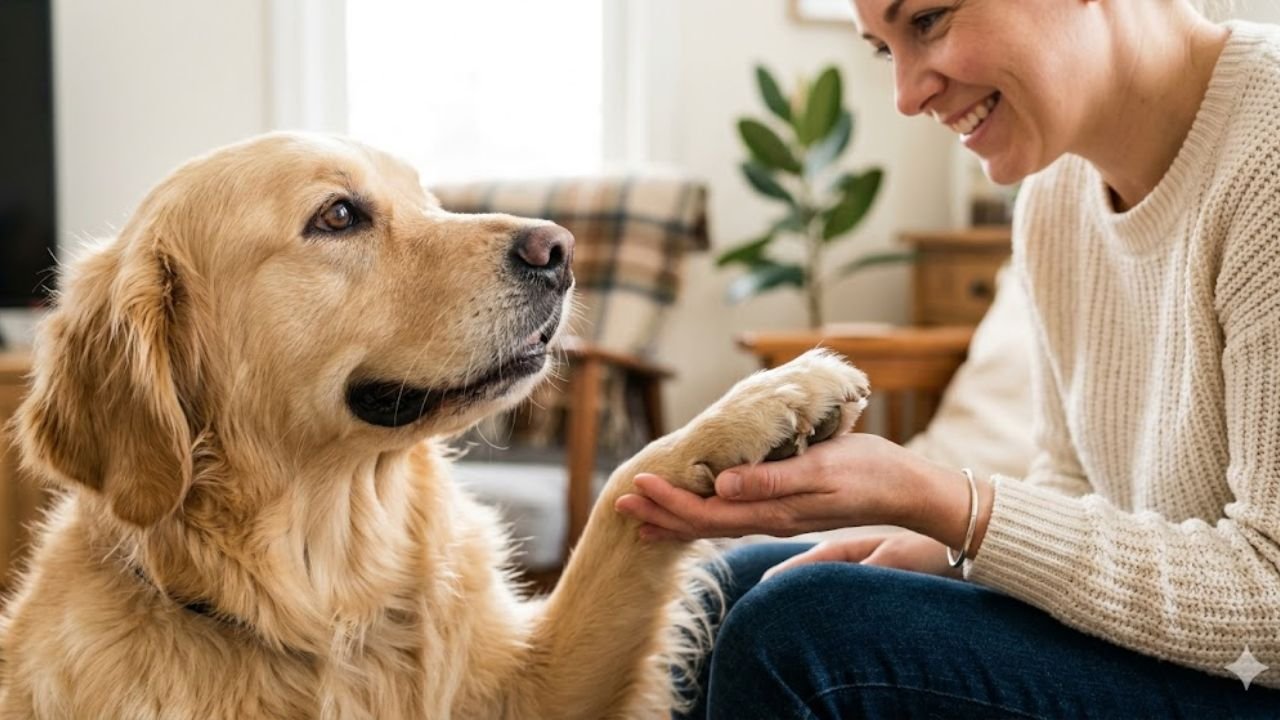
If you’re asking what it means when a dog paws you, the answer is simple yet layered. Pawing is a form of communication. Your dog cannot speak. So it uses touch to express needs, emotions, and desires. This is part of dog communication signals and reflects deeper dog behavior meaning.
In most cases, a dog pawing’s meaning connects to attention or needs. For example, your dog may be showing attention-seeking behavior. It may also signal hunger, boredom, or affection. Understanding this behavior helps improve dog-human interaction and builds trust.
Is Pawing a Normal Behavior in Golden Retrievers?
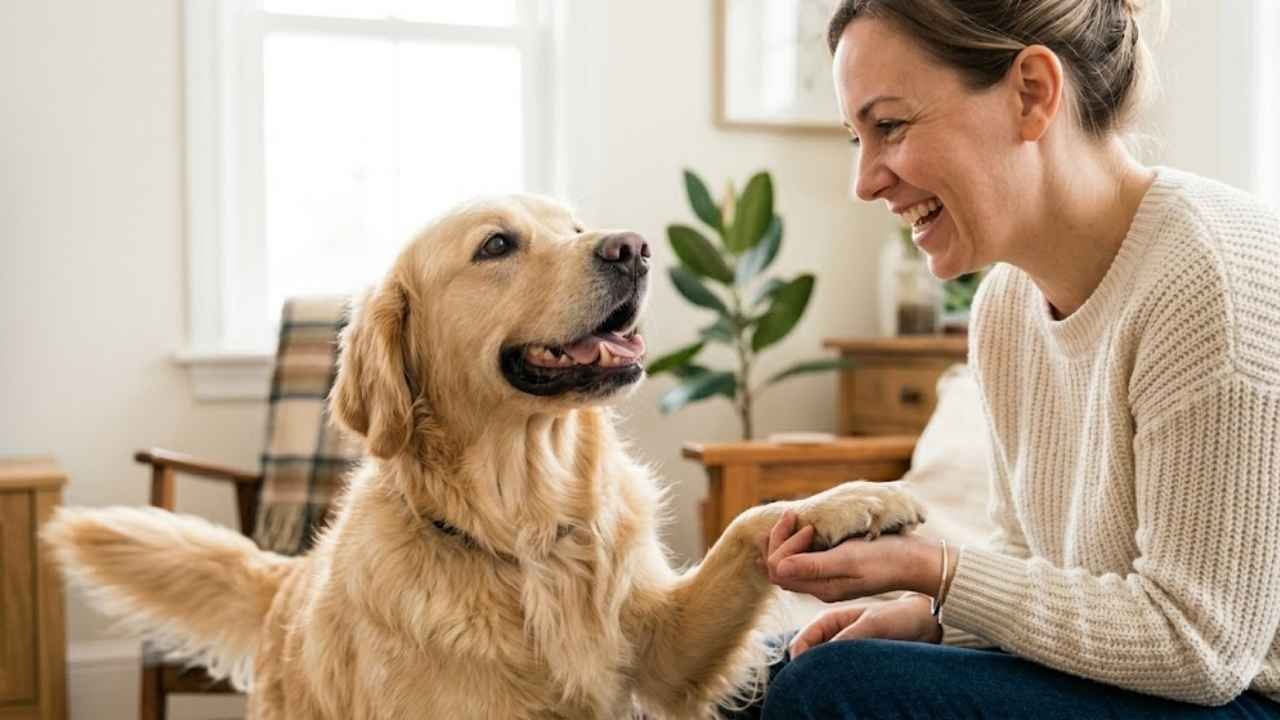
Yes, pawing is normal. It is deeply linked to golden retriever behavior. These dogs are social and emotionally aware. They rely on dog social interaction more than many other breeds. That is why you often notice a dog putting its paw on an arm during daily routines.
However, frequency matters. Occasional pawing shows healthy dog emotional behavior. But if your dog keeps doing it, it may indicate unmet needs. Understanding dog habits and signals helps you decide when it’s normal and when it needs attention.
10 Common Reasons Why Golden Retrievers Paw at You
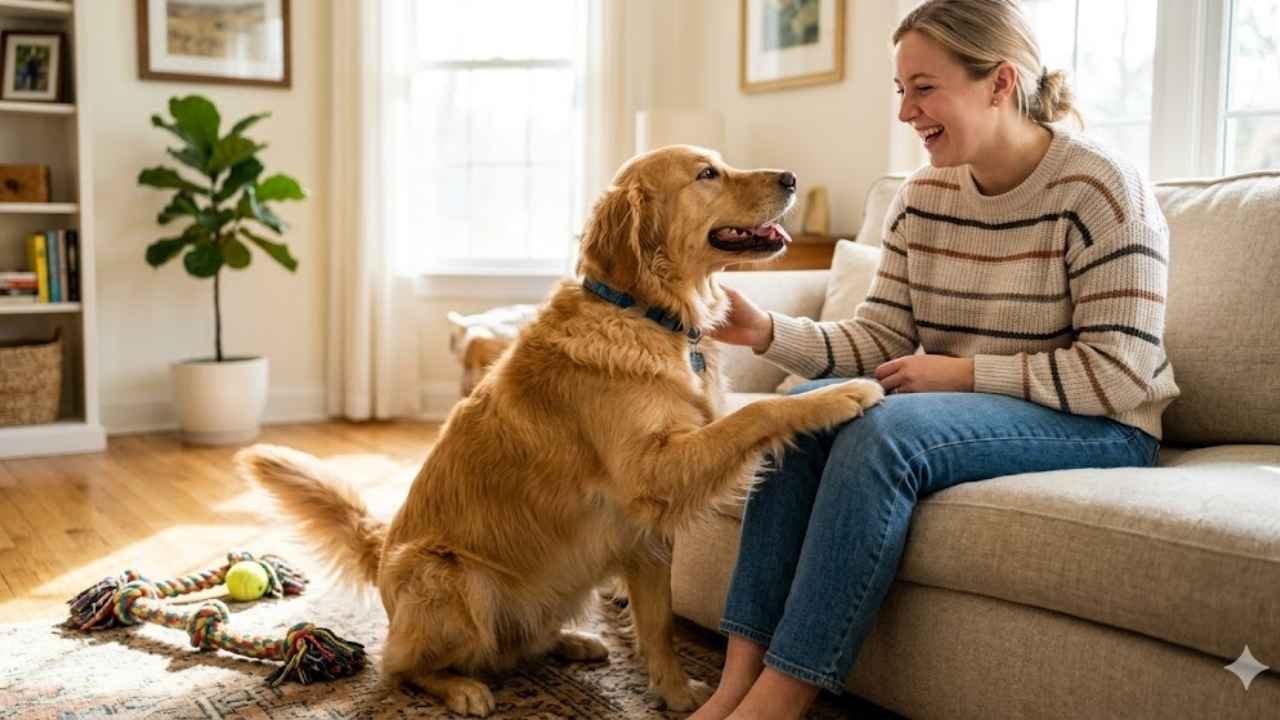
When you ask why golden retrievers paw at you, the answer is not one thing. It is a mix of needs, habits, and learned behaviors. This section breaks down the most common reasons behind golden retriever pawing behavior.
They Want Your Attention
Your dog often paws at you because it simply wants attention. This is classic dog pawing for attention. If you are busy, your dog may interrupt you with a gentle tap.
They Want to Play
Golden Retrievers have high energy. When they feel bored, they use dog pawing to play as an invitation. This reflects a strong dog’s instinct to play.
They Are Hungry
If it’s near feeding time, your dog may show dog pawing for food. This connects directly to the dog asking for food and routine habits.
They Need to Go Outside
Dogs follow patterns. If your dog paws at you at certain times, it likely means the dog wants to go outside. This is also known as dog pawing for walk behavior.
They Want Affection or Petting
Sometimes your dog just craves closeness. Dog pawing for affection happens when your pet wants to touch. This reflects dog wants affection and bonding.
They Are Showing Love
Many owners misread this. Dog showing love pawing is common in Golden Retrievers. It shows trust and emotional connection.
They Are Feeling Anxious or Stressed
If pawing comes with whining, it may be dog anxiety pawing behavior. This links to stress or separation anxiety.
They Want Something You Have
Dogs are curious. If you hold food or a toy, your dog may use its paw to reach it.
They Are Trying to Communicate a Need
Sometimes the reason is unclear. That’s because a dog’s needs for communication vary. Pawing becomes a general signal.
They Learned It Gets a Reward
If you respond every time, your dog learns fast. This becomes part of dog training behavior and habit reinforcement.
Golden Retriever Body Language Explained
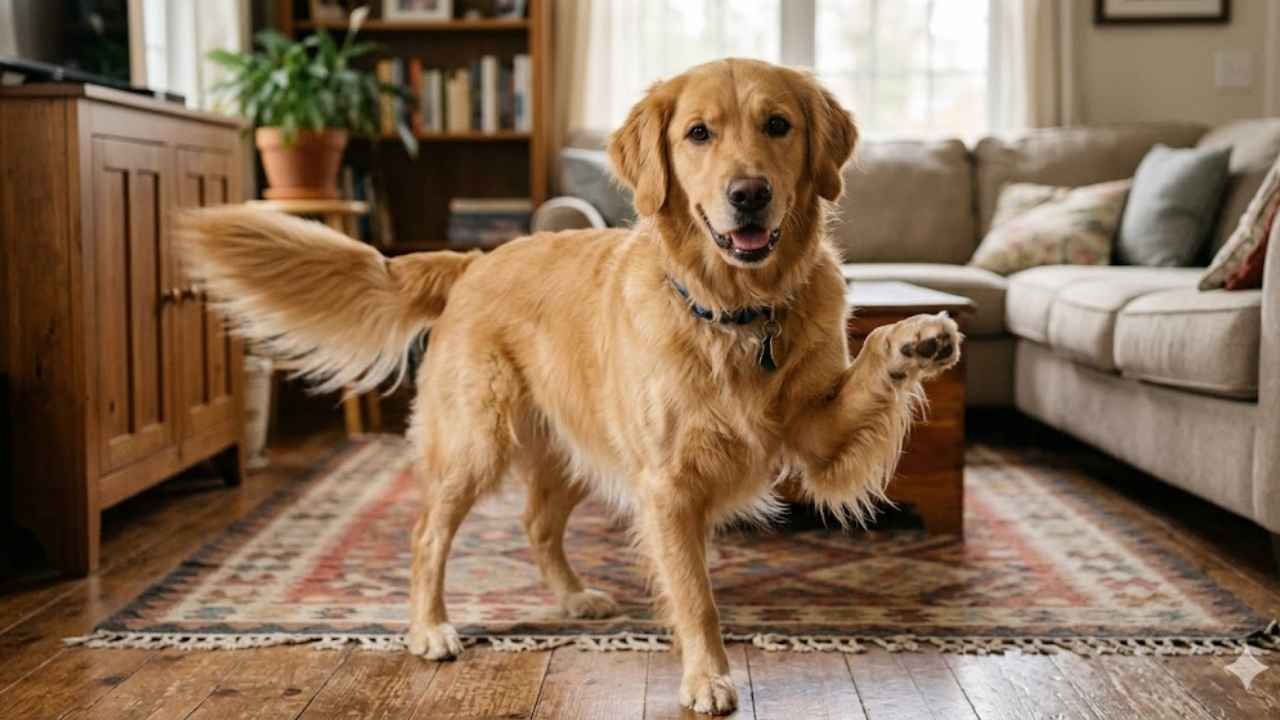
Understanding golden retriever body language is key. Pawing rarely happens alone. It comes with tail wagging, eye contact, and posture. These are all part of dog body language signals.
For example, relaxed ears and a wagging tail show happiness. However, a stiff posture may signal stress. Reading these signs helps you decode the dog pawing explanation more accurately.
Is Pawing a Sign of Love or a Problem?
In many cases, pawing shows affection. Dog emotional behavior often includes touch. So yes, it can be love. Especially when paired with calm behavior.
However, dog pawing constantly can become annoying. It may also signal dependency. The key is balance. You want to enjoy affection without encouraging bad habits.
Why Do Golden Retrievers Paw More Than Other Dogs?
Golden Retrievers are different. Their strong need for connection drives more dog social interaction. This explains why dogs paw at owners, especially in this breed.
They are also highly intelligent. This makes them quick learners. If pawing works once, they repeat it. This strengthens golden retriever pawing behavior over time.
Should You Let Your Golden Retriever Paw at You?
You don’t need to stop it completely. Pawing is part of natural dog behavior, meaning. Allow it in calm situations where it feels appropriate.
However, set limits. If your dog interrupts work or jumps excessively, you should guide it. This helps maintain a healthy dog routine without confusion.
How to Stop Your Golden Retriever from Pawing You

If you are wondering how to stop dog pawing, the answer lies in training. You must stay consistent. Ignore unwanted pawing and reward calm behavior.
Over time, your dog learns new habits. This process is called dog pawing habit training. It works best with patience and positive reinforcement.
When Pawing Becomes a Problem (Warning Signs)
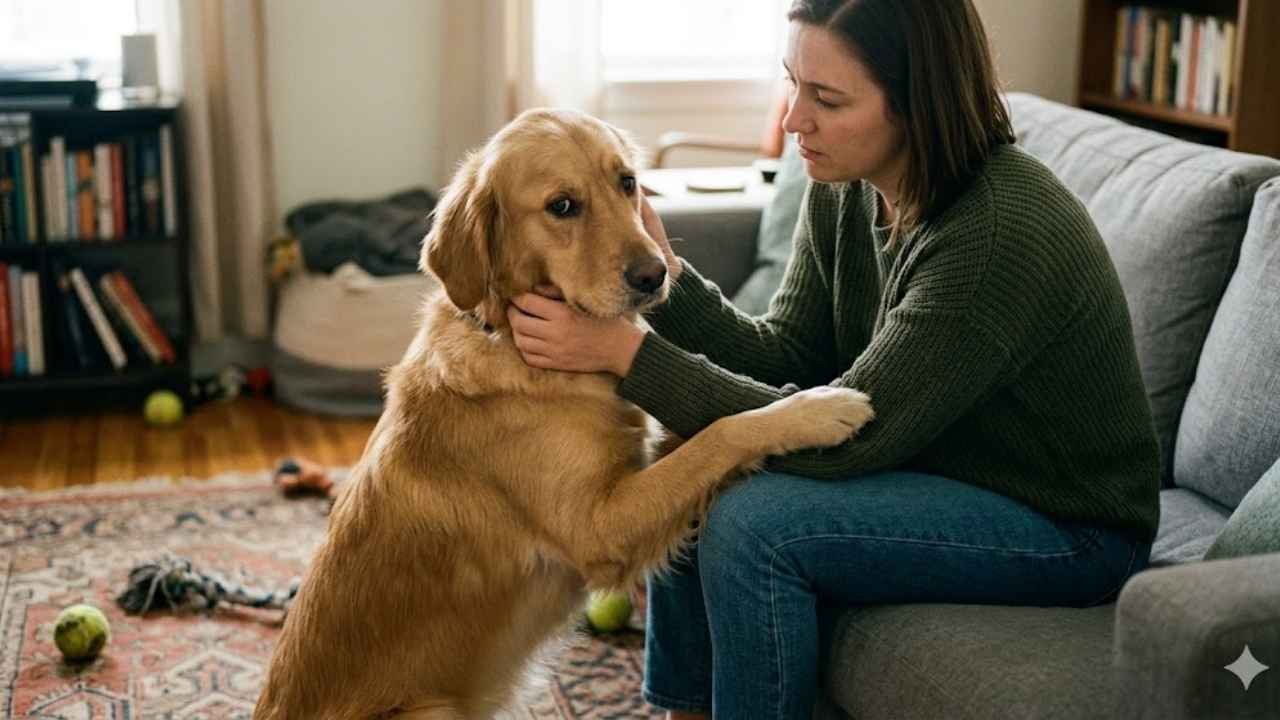
Pawing is not always harmless. If it becomes excessive, it may indicate deeper issues. Watch for signs like aggression or anxiety.
In rare cases, health issues can cause changes in a dog’s pawing behavior. If something feels unusual, consult a vet. Early action prevents bigger problems.
How to Train Your Golden Retriever to Communicate Better
Training improves clarity. Instead of pawing, teach commands like sit or stay. This builds structured dog training behavior.
With time, your dog learns better ways to express needs. This strengthens dog-human interaction and reduces confusion.
Common Mistakes Owners Make
Many owners unknowingly reward pawing. For example, giving attention every time reinforces the habit.
Another mistake is inconsistency. Dogs rely on patterns. Mixed signals confuse their dog’s habits and the learning process.
Retrievers Pawing Behavior
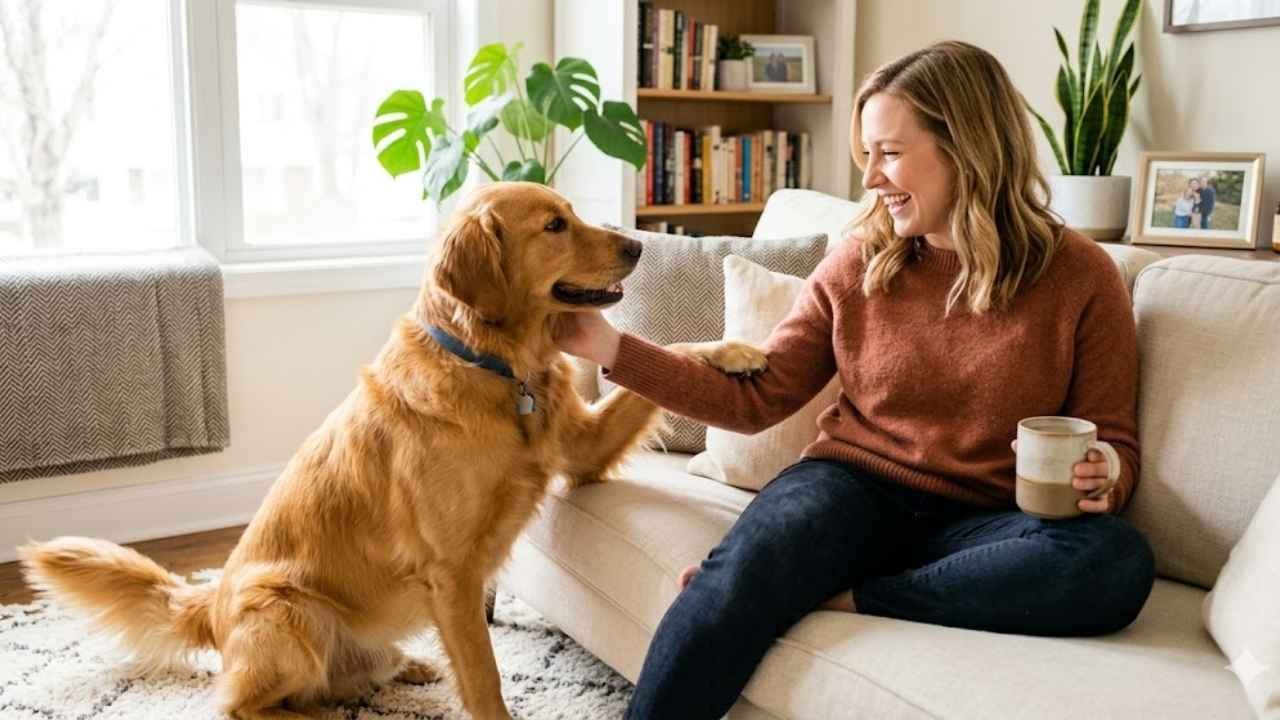
Understanding retrievers specifically helps a lot. Their friendly nature drives constant interaction. This explains frequent golden retriever behavior patterns.
They are not being dominant. Instead, they are being social. This makes their pawing more emotional than aggressive.
Final Thoughts: Understanding Your Golden Retriever’s Pawing Habit
So, why do golden retrievers paw at you? It comes down to communication, emotion, and habit. Your dog is trying to connect with you.
Once you understand dog communication signals, everything becomes clearer. With patience and training, you can enjoy this behavior without letting it become a problem.
FAQs
Why does my Golden Retriever put his paws on me?
It’s usually to get attention, show affection, or communicate a need.
How do Golden Retrievers show affection?
They show love through pawing, licking, tail wagging, and staying close to you.
What is “I love you” in dog language?
Dogs express love through eye contact, gentle touch, and relaxed body language.
What is the silent killer in Golden Retrievers?
Cancer, especially hemangiosarcoma, is a common silent health risk.
What smells do Golden Retrievers hate?
They dislike strong smells like vinegar, citrus, and harsh chemical scents.
This website is independently created to provide educational and informational content about Golden Retrievers. To learn more about our mission and website policies, please visit our About Us, Privacy Policy, Terms & Conditions, and Contact Us pages.