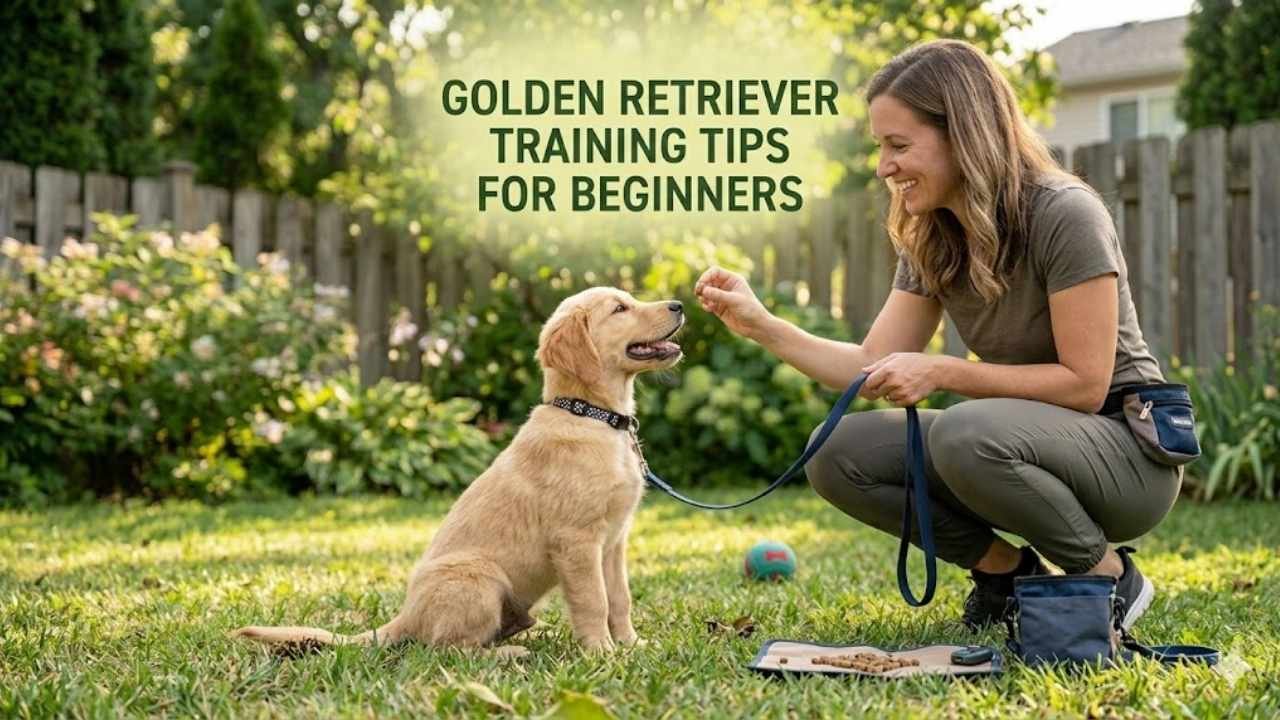
Golden Retrievers are popularly known for their kindness, intelligent nature, and insatiable desire to delight. They are one of the best dogs to train even for those who are new to dog ownership. But the successful training process is a matter of consistency and perseverance as well as a thorough understanding of how Golden Retrievers are taught.
If you recently brought the arrival of a new golden retriever puppy into your house, learning the best golden retriever techniques for novices will assist you in developing excellent habits from the very beginning. Training properly not only helps teach obedience, but it also builds bonds between you and your dog and can prevent issues with behavior later on in the course.
In this book, you will learn about practical methods of training along with step-by-step instructions as well as expert guidance to assist your Golden Retriever in being an obedient and calm companion.
Why Golden Retrievers Are Easy to Train
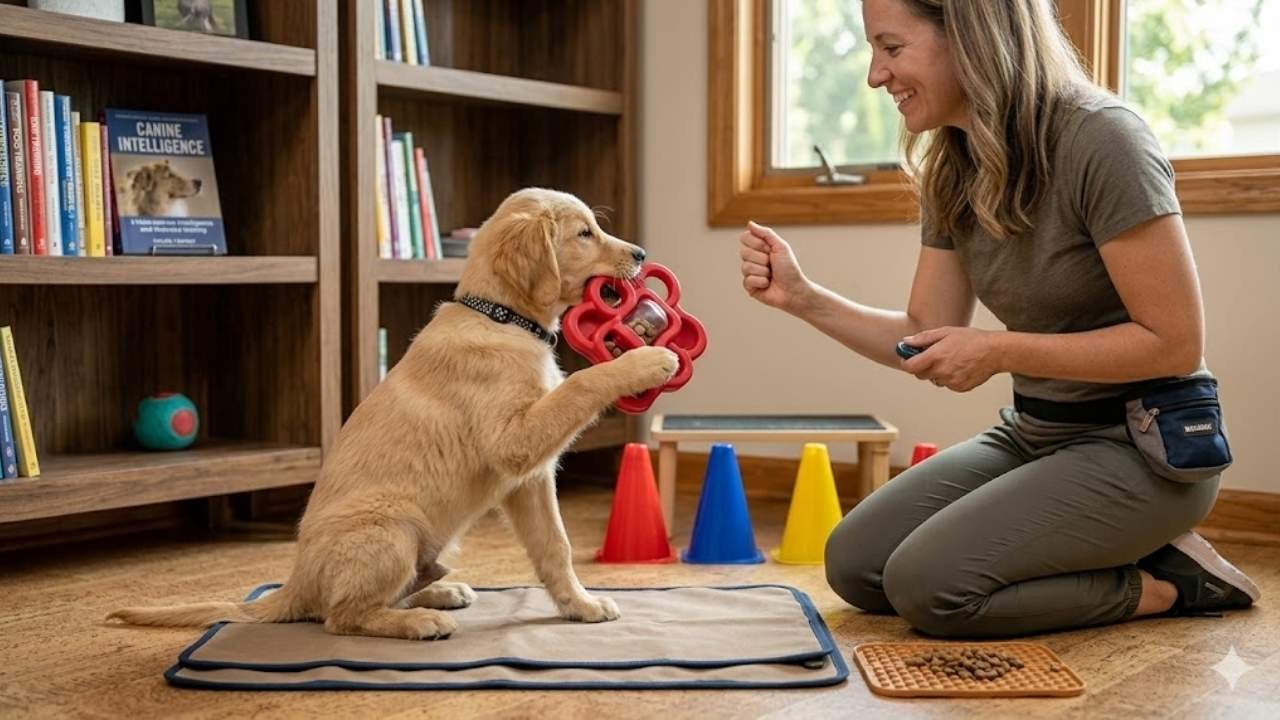
Golden Retrievers were bred originally to be working dogs in order to retrieve game for hunters. The background of their breed gave them an intense determination to be listened to, educated, and a good companion for humans.
The traits they possess are:
- High intelligence
- Excellent memory
- Pleasant temperament (they are generally known for being friendly, as explained in golden retriever behavior)
- Food motivation is strong and powerful.
- They want to delight the owners of their pets
Due to these traits, Golden Retrievers react exceptionally well to reinforcement-based training.
When to Start Training a Golden Retriever Puppy
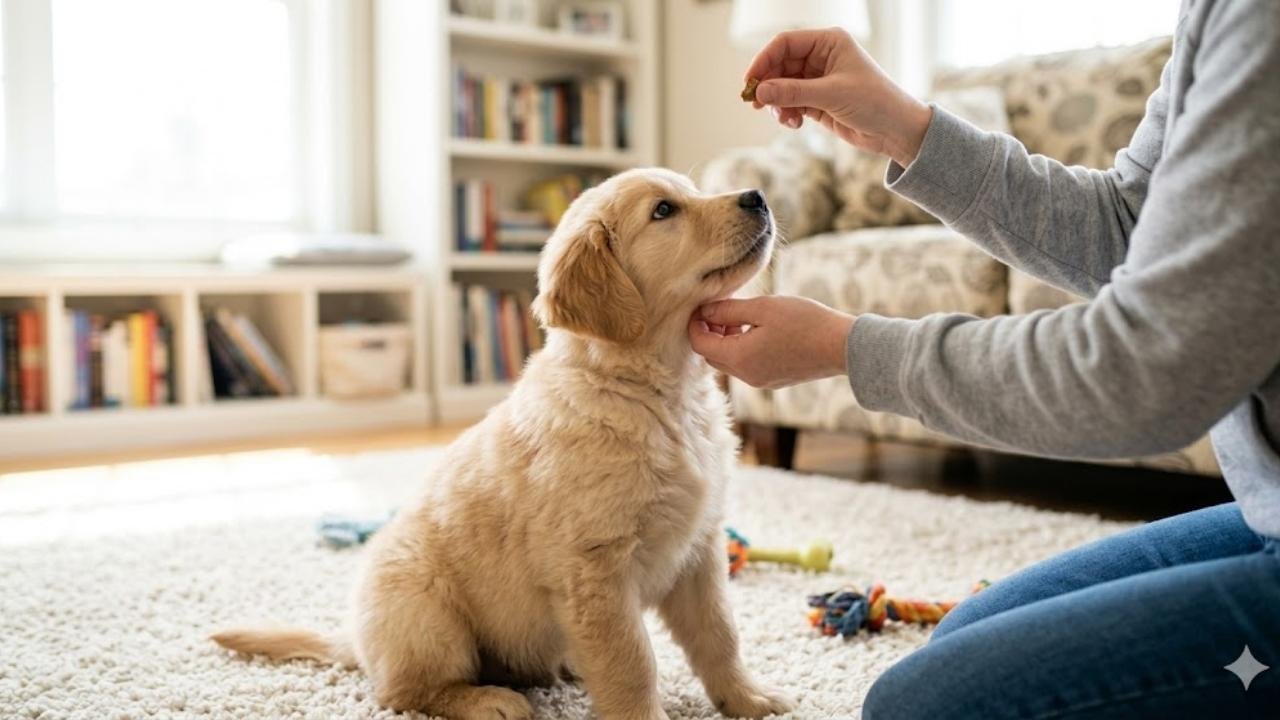
It is recommended to begin raising a golden retriever puppy training when the puppy arrives home, generally around 8 weeks of age. As puppies reach this age, they are extremely open to new situations and quickly master basic commands and family routines.
Training early helps in preventing the following:
- Jumping on people
- Biting too much
- The leash is pulled to the side.
- Fear of separation
- House soiling
Sessions that are short and fun can be more efficient than long, boring sessions.
Essential Golden Retriever Training Tips for Beginners
Keep Training Sessions Short
Puppy attention spans are limited. Sessions of training that last 5-10 minutes are ideal, particularly when they are puppies.
Use Positive Reinforcement
Encourage desired behavior by rewarding it with praise, treats, and even play. The reward will motivate your puppy to continue with good behavior.
Be consistent.
Utilize the same commands and guidelines every time. The consistency helps your dog understand exactly what’s expected.
Train Every Day
Daily practice is crucial for lasting success. A short amount of training could make a big impact.
End on a Positive Note
Make sure to end each session by completing the session with a positive command as well, and the dog will be rewarded so that he stays excited about future learning.
Basic Commands Every Golden Retriever Should Learn
Sit
The easiest and most effective commands. It is a way to teach impulse control as well as courteous behavior.
Stay
Aids to keep your dog at peace and calm until they are released.
Come
Critical recall commands, which increase safety as well as off-leash reliability.
Down
Helps relax and manage excessive activity.
Leave It
Your puppy is prevented from taking dangerous objects.
Heel
Teach your dog to walk in a polite manner with you.
Potty Training Tips
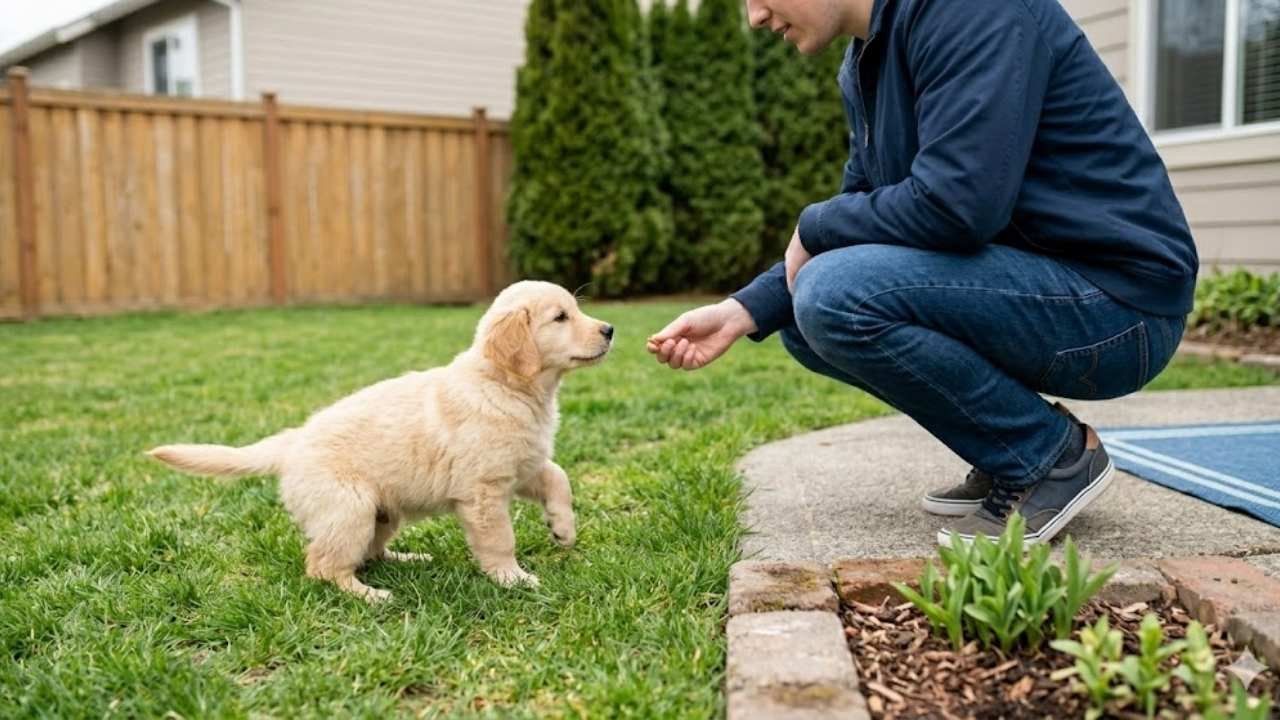
Training for the house is usually the initial major hurdle for owners who are new to the business.
Effective Potty Training Strategies
- Bring your dog outside when you’ve finished eating, sleeping, or playing.
- Make sure you use the same toilet every time.
- You will be rewarded immediately upon an accomplishment in eliminating it.
- Make sure you follow a steady feeding routine.
- Keep an eye on your child’s behavior.
The majority of Golden Retriever puppies become reliably house-trained after a few months.
Crate Training for Beginners
Crates provide a safe area that supports the potty-training process and independence.
Crate Training Benefits
- Reduces accidents
- Prevents destructive chewing
- Travel with ease
- Encourages sleep and restful nights
Introduce the crate slowly by using sweets and toys that create positive connections.
Socialization Is Part of Training
The socialization process helps your puppy stay calm around strangers as well as dogs, sounds, and environments.
Expose your Golden Retriever to:
- People who are friendly to strangers
- Children
- Other dogs who have had vaccinations
- Car trips
- Tools for grooming
- Family noises
Socialization early can reduce fears-based behaviors.
How to Stop Common Puppy Behaviors
Biting and Nipping
Use chewing toys to direct biting and stop playing if biting gets too rough.
Jumping
Be sure to reward your dog when the four paws are in the air.
Chewing
Make sure to provide appropriate chewing toys (see puppy toys) and keep all tempting objects away from their reach.
Barking
Barking—determine the reason and instruct alternatives instead of punishing the vocalization, as supported by veterinary insights in the dog behavior and health guide.
Leash Training Tips
Golden Retrievers develop into powerful breeds, and so polite walking behavior is essential.
- Start with short indoor workouts.
- Reward walking beside you.
- Stop moving if the puppy is pulling.
- Begin only after the leash is loose.
The consistent teaching of pulling will result in advancement.
Sample Daily Training Routine
| Time | Activity |
| Morning | Sit and potty training |
| Afternoon | Walking with leashes and socializing |
| Evening | Crate and recall training |
The structure of your routine will help your puppy develop faster.
Training Mistakes Beginners Should Avoid
- The use of punishment, or yelling
- Inconsistent rules
- Sessions that run too lengthy
- Expecting immediate perfection
- Skipping socialization
Repeated practice and patience are better than corrective methods.
When to Join a Puppy Class
Professional puppy classes are structured for training and supervised socialization. These classes are particularly beneficial for the first-time owners and may speed up growth.
Frequently Asked Questions
How Long Does It Take to Train a Golden Retriever?
The basic commands can be taught in just a few weeks, but continued training is essential throughout your life.
Are Golden Retrievers Good for First-Time Owners?
Yes. Their intelligence as well as their friendly disposition makes them among the top breeds suitable for newbies.
What Age Is Best to Start Training?
The training should start when your puppy is at home.
How Many Treats Should I Use?
Try small and healthy foods, slowly reducing your intake when your habits become more regular.
Final Thoughts
The golden retriever guidelines for novices provide an excellent foundation to raise a confident and well-behaved pet. Golden Retrievers naturally want to learn. But their progress is dependent on consistent as well as positive reinforcement and perseverance.
Beginning early, giving basic commands as well as establishing a program, you’ll be able to prevent frequent behavior problems and also build bonds that last for a lifetime with your pet.
Through consistent practice and a positive attitude toward training, your golden retriever can develop into a loyal dog and an affectionate pet that the golden retriever breed is known for.