
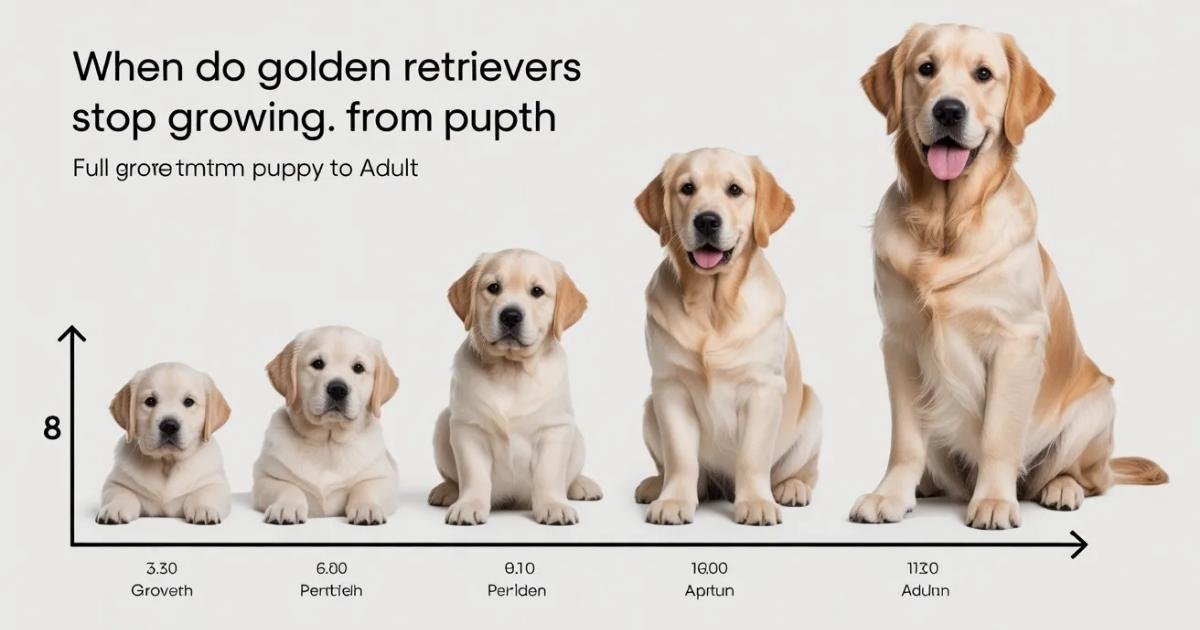
Golden Retrievers grow fast, and many owners wonder when Golden Retrievers stop growing. These friendly, energetic dogs change quickly during the first year of life. Understanding the golden retriever growth timeline helps you prepare for each stage, from tiny puppy to strong adult. Many people also ask about the golden retriever’s full-size age and at what age a golden retriever is fully grown, because size affects feeding, exercise, and training.
Growth does not stop suddenly. Height usually finishes first, while weight and muscle continue developing. Knowing the expected golden retriever adult size helps you monitor healthy progress and avoid common growth problems. Most Golden Retrievers stop growing in height between 12 and 18 months, but they continue filling out and gaining muscle until around 24 months.
When Do Golden Retrievers Stop Growing Exactly?
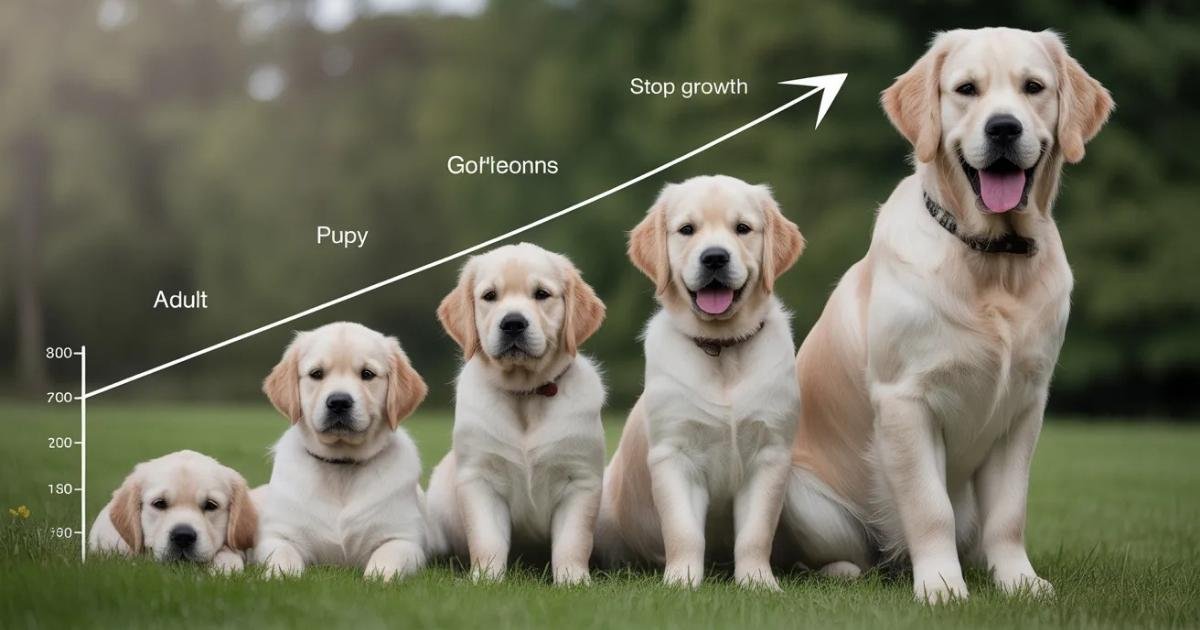
Most owners want a clear answer to when golden retrievers stop growing. In simple words, height growth usually ends between 12 and 18 months. Weight and muscle filling continue until 18 to 24 months. This period marks the final stage before full physical maturity and complete growth cessation. Females often mature slightly earlier than males.
Growth does not happen evenly. During puppyhood, the growth trajectory is very fast. Later, during early adulthood, the golden retriever’s growth rate slows. The dog may look tall but still appear slim. That is normal. Bone development finishes first. After that, musculature development and coat development continue.
Golden Retriever Growth Stages Explained (Month-by-Month Timeline)
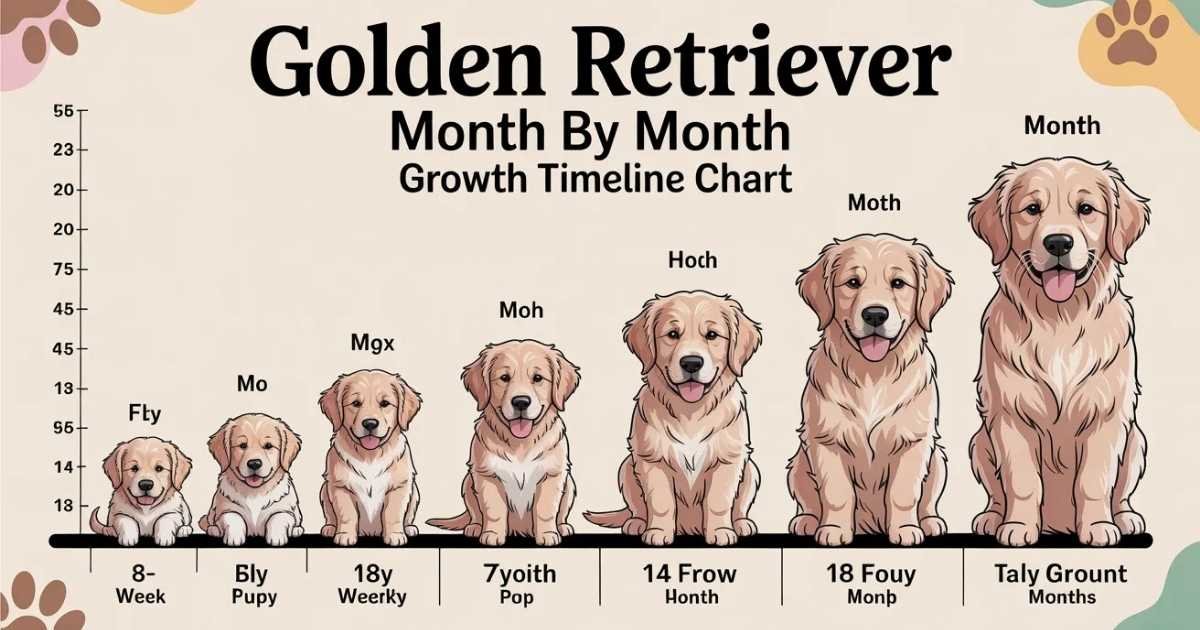
Understanding golden retriever growth stages helps you know what to expect. The golden retriever growth timeline shows rapid changes in the first year. The first six months are intense. After that, changes become slower but still important. Each stage brings new golden retriever growth milestones.
The journey includes golden retriever puppy growth, the playful golden retriever adolescence stage, and finally the golden retriever transition to adulthood. Below is a detailed breakdown of each stage.
Birth to 3 Months (Newborn to Early Puppy)
During the first three months, growth is extremely fast. Weight can double within weeks. Puppies depend on their mother. Then they move to solid food. This is the core of puppyhood. Social skills begin here.
Teething starts. Energy levels rise. Early obedience training with positive reinforcement builds confidence. Puppies also start showing their emotionally sensitive dog nature. Gentle handling is very important.
3 to 6 Months (Rapid Growth Phase)
This is the fastest physical growth stage. Height increases quickly. Legs look long and slightly awkward. The body is growing faster than coordination. This stage shapes the future golden retriever’s adult size.
Nutrition matters greatly now. A balanced diet with correct protein requirements supports strong bones. Overfeeding can harm joint health. Controlled activity is better than intense jumping.
6 to 12 Months (Teenage Stage)
This is the golden retriever adolescence stage. The dog may test boundaries. Energy peaks. Growth continues but slows slightly. Most dogs reach near adult height by 9 to 12 months.
Some dogs reach sexual maturity during this stage. Owners often consider spaying and neutering. Discuss timing with a vet. Hormones can affect the growth trajectory.
12 to 18 Months (Slowing Down Phase)
Height growth mostly stops. The chest becomes broader. Muscle mass increases. The dog looks stronger. However, mental maturity still develops.
This stage prepares for full early adulthood. The dog still needs proper exercise, but avoid heavy impact. Bones are stronger now but still developing internally.
18 to 24 Months (Full Physical & Mental Maturity)
By 18 to 24 months, most Golden Retrievers reach full size. This is the typical golden retriever maturity age. Weight becomes stable. Behavior becomes calmer.
The thick water-repellent double coat is fully formed. The dog now shows full personality. Training becomes easier because they are an intelligent and trainable breed.
At What Age Is a Golden Retriever Fully Grown?

Many owners ask again, at what age is a golden retriever fully grown?. The simple answer is around 18 to 24 months for full body development. Height stops earlier, but body filling continues. The breed standards from the American Kennel Club (AKC) guide expected measurements.
Males usually mature closer to 24 months. Females often reach full size near 18 months. This marks the final growth cessation and stable body shape.
How Big Will My Golden Retriever Get?
If you ask, how big will my golden retriever get, genetics gives the best clue. Look at the parents. The typical golden retriever height and weight range is predictable under breed standards.
Below is a general golden retriever size chart for adults.
| Gender | Height (inches) | Weight (pounds) |
|---|---|---|
| Male | 23–24 | 65–75 |
| Female | 21.5–22.5 | 55–65 |
The average adult weight of a golden retriever falls within these ranges. However, field lines vs show lines can create size differences.
Male vs Female Golden Retriever Growth Differences
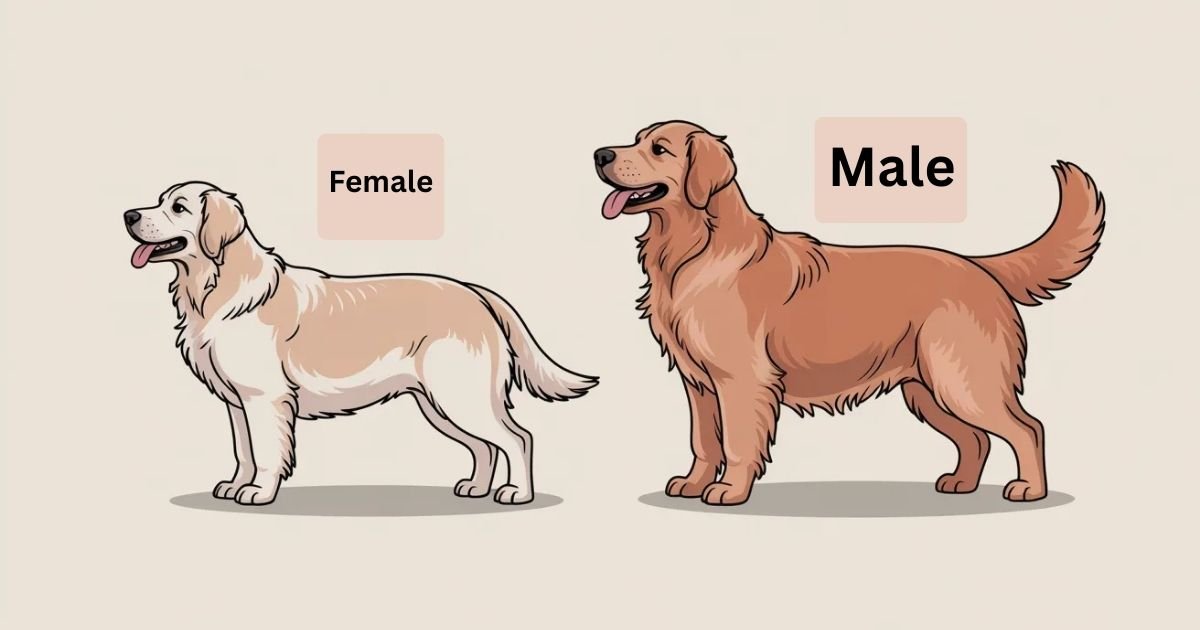
Male Golden Retrievers are usually larger. They grow taller and heavier. Females mature earlier. Hormones influence the golden retriever’s growth rate.
Males may take longer to reach final muscle mass. Females often show earlier weight stabilization. Both follow similar overall growth patterns.
Golden Retriever Growth and Weight Chart (Detailed Guide)
Tracking weight monthly helps monitor health. Below is a simplified golden retriever weight chart for the first year.
| Age (Months) | Male Weight (lbs) | Female Weight (lbs) |
|---|---|---|
| 2 | 10–15 | 8–12 |
| 4 | 25–35 | 20–30 |
| 6 | 40–55 | 35–45 |
| 9 | 55–65 | 45–55 |
| 12 | 60–70 | 50–60 |
These are estimates. Always compare growth with regular veterinary check-ups.
Factors That Influence When Golden Retrievers Stop Growing
Growth timing depends on many factors. The strongest factor is genetic influence. Parents with larger frames often produce larger puppies. Health and environment also play roles.
Nutrition and exercise shape development. Hormones affect the speed of growth. Good care ensures proper bone development and prevents future canine health conditions.
Genetics & Parent Size
Size often follows family lines. Responsible breeders follow breed standards. Bloodline history matters.
Nutrition & Diet Quality
A high-quality food supports developmental needs. Proper nutrition during puppyhood plays a major role in bone and joint development, as explained in this expert puppy growth guide. Correct calcium and protein levels prevent joint stress. The right timing for adult dog food transition supports healthy weight stabilization.
Exercise & Activity Level
Balanced exercise needs pto rotect growing joints. Too much running on hard surfaces may increase the risk of hip dysplasia.
Health Conditions & Hormones
Certain conditions, like subvalvular aortic stenosis, Von Willebrand’s disease, and hypothyroidism idogsog,s may affect development. Regular veterinary check-ups detect problems early.
How Can I Tell If My Golden Retriever Is Done Growing?

You may notice no increase in height for several months. Weight remains stable. The body looks filled out. This suggests growth cessation.
A vet can confirm closure of growth plates through proper examination, since growth plates in large breeds close later compared to smaller dogs, as discussed in this detailed Golden Retriever growth explanation. Stable appetite and calm behavior often signal full maturity.
How Much Bigger Will My Golden Retriever Get?
If your dog is under 12 months, more growth is likely. You can estimate adult weight by doubling the 4-month weight. This is not exact but helpful.
Tracking growth monthly gives better answers. Genetics remains the strongest predictor.
When Should You Switch to Adult Dog Food?
Most dogs switch between 12 and 18 months. This depends on growth speed and vet advice. The adult dog food transition should happen gradually.
Switching too early may reduce nutrients needed for growth. Switching too late may cause excess weight gain.
How to Support Healthy Growth in Golden Retrievers
Healthy growth requires attention. Nutrition, movement, and vet care matter greatly.
Proper Feeding Schedule
Young puppies need three to four meals daily. After six months, two meals are enough. Avoid overfeeding. Support joint health through controlled portions.
Exercise Needs by Age
Short walks are best for puppies. Avoid stairs and high jumps. Gentle backyard play supports healthy growth. Mental games provide mental stimulation without stress.
Joint Care & Hip Health
Maintain lean body weight. Omega-3 fatty acids support joints. Early care reduces the risk of hip dysplasia.
Vet Checkups
Regular veterinary check-ups track growth. Early detection of issues like several forms of cancer or hormonal problems protects long-term health.
Common Growth Problems in Golden Retrievers
Golden Retrievers may face issues like hip dysplasia, elbow dysplasia, and growth plate injuries. Obesity during growth increases risks. Responsible feeding prevents stress on joints.
They are also prone to canine health conditions such as heart disease and thyroid problems. Early screening improves life expectancy.
Frequently Asked Questions About When Golden Retrievers Stop Growing
How do you tell how big your Golden Retriever will be?
You can estimate size by looking at the puppy’s parents, litter mates, and growth pattern. A golden retriever size chart also helps track development.
How much bigger will a 6-month-old Golden Retriever get?
At six months, most Golden Retrievers are about half to two-thirds of their adult weight. They still gain muscle and fill out until 18–24 months.
At what age does a Golden Retriever reach full size?
Golden Retrievers typically reach their full height by 12–18 months. Full physical maturity and weight stabilization usually occur by 24 months.
What is the hardest age for a Golden Retriever puppy?
The teenage stage, around 6–12 months, is often the hardest. Puppies test boundaries and need consistent obedience training and patience.
What is the naughtiest puppy’s age?
Most Golden Retrievers are at their naughtiest between 3 and 6 months during rapid growth, teething, and high energy bursts.
Final Thoughts – Understanding Your Golden Retriever’s Growth Journey
So, when do golden retrievers stop growing? Most reach their final height by 12 to 18 months. Full body maturity usually comes by 24 months. Understanding the golden retriever growth timeline helps you prepare.
Golden Retrievers are loyal companions with floppy ears, a gentle mouth, and a love for an active lifestyle. With proper care, correct nutrition, and regular vet visits, your dog will grow into a healthy adult. Patience during the growing months ensures a strong and happy companion for many years.
This website is independently created to provide educational and informational content about Golden Retrievers. To learn more about our mission and website policies, please visit our About Us, Privacy Policy, Terms & Conditions, and Contact Us pages.